STOP LABORS TOWERS
NEWSLETTER – September 20 2025
An Ill-Conceived Plan: The Real Cost of Rushing to Net Zero
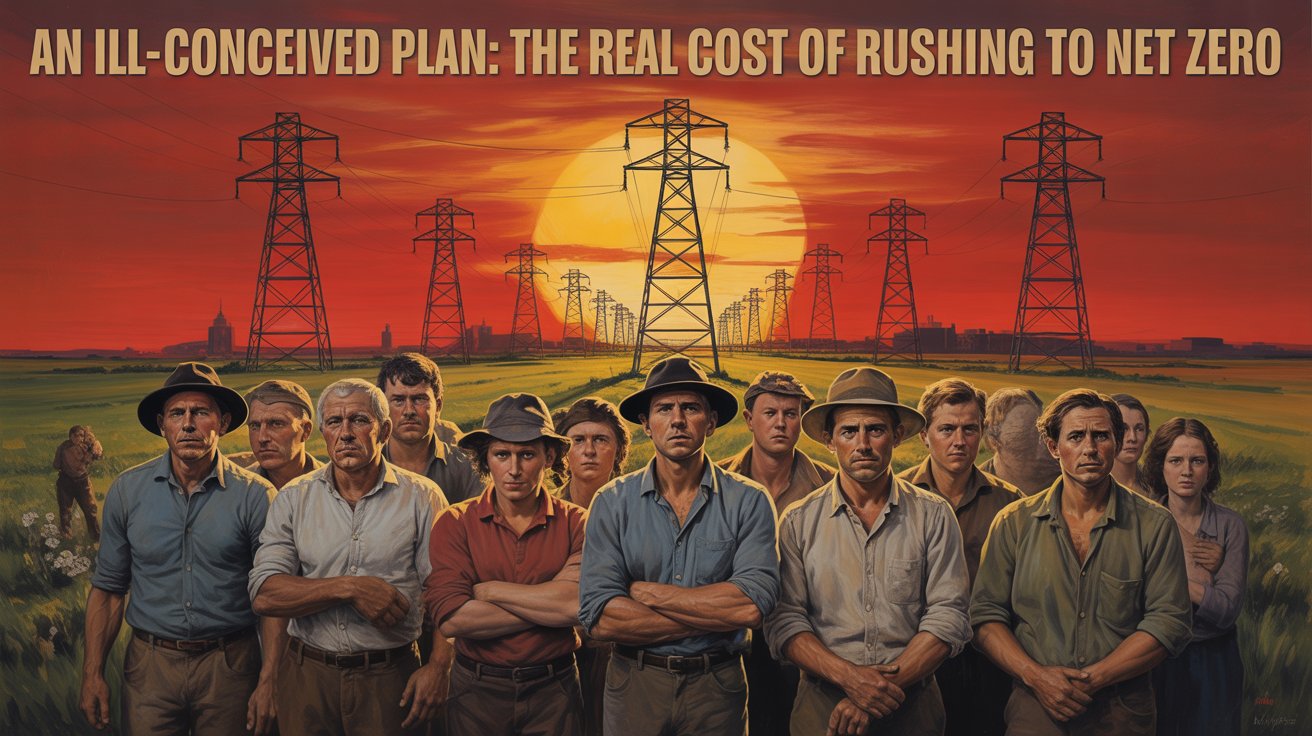
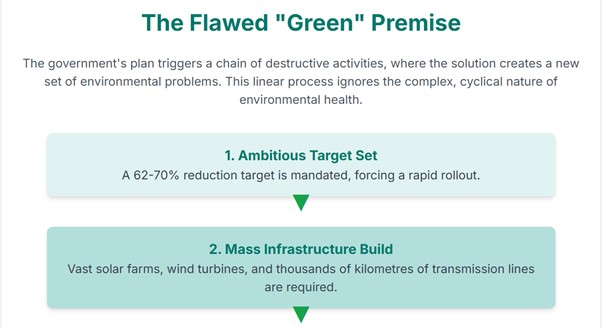
The Australian federal government’s latest climate targets, announced in September 2025, aim to reduce emissions by an ambitious 62-70% below 2005 levels by 2035. While presented as a victory for the environment, this policy is a house of cards built on wishful thinking, ignoring the devastating, irreversible impacts it will have on our land, our livelihoods, and our rural communities. The rush to meet these aggressive deadlines is not a responsible climate solution; it is a reckless gamble that will hurt, not help, Australia’s environment.
Unattainable Targets and Unintended Consequences
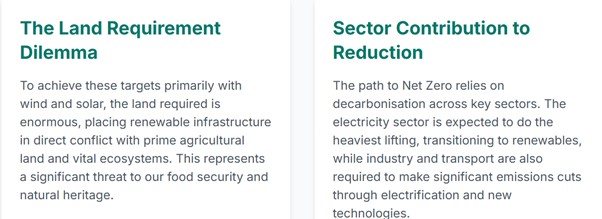
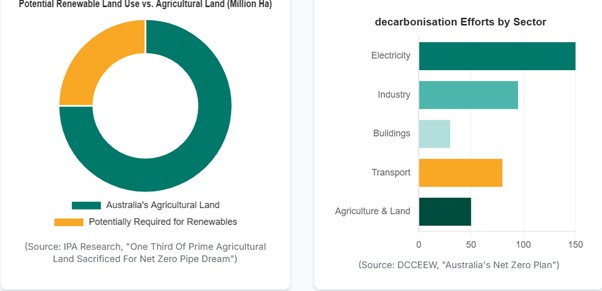
The core of this problem lies in the government’s refusal to acknowledge the scale and speed of the required infrastructure rollout. To replace our current energy sources with wind and solar, we are looking at a land footprint of up to 119 million hectares, or approximately one-third of Australia’s entire agricultural land. (IPA Research, “One Third Of Prime Agricultural Land Sacrificed For Net Zero Pipe Dream”). This isn’t just a number on a spreadsheet; it represents a direct conflict between energy policy and food security.
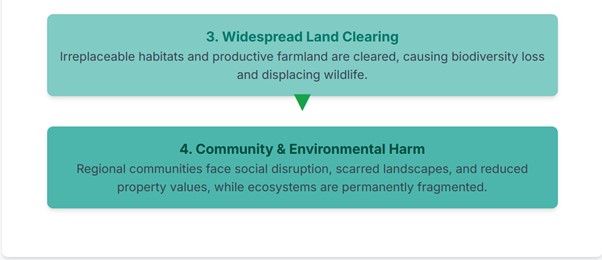
But the environmental damage goes far beyond land use. The frenzied development of Renewable Energy Zones (REZs) is already causing significant, and in many cases, permanent, ecological harm. Reports submitted to a NSW Parliamentary inquiry reveal that projects have led to the clearing of over 2,000 hectares of critical habitat and the displacement of vulnerable species like koalas. (NSW Parliament, “Impact of REZ on rural and regional communities”). Ecologists have warned that without proper planning, this rapid rollout could lead to a “death by a thousand cuts” for vital ecosystems.
Grid Expansion and the Destruction of Our Heartland
The single largest threat to our rural communities comes from the transmission mega-projects required to move this new energy. The Australian Energy Market Operator (AEMO) has already seen project costs soar by as much as 30% beyond inflation (AEMO, “2023 Transmission Expansion Options Report”). Yet, the government continues to push forward, ignoring the fierce opposition from landholders.
These projects will carve permanent scars across our landscape, requiring the forced acquisition of farmland and the installation of towering pylons that devalue properties and disrupt agricultural operations. The NSW Parliamentary inquiry found that communities feel a significant loss of social cohesion and trust, believing the government is prioritizing a flawed vision over the well-being of its people. (NSW Parliament, “Impact of REZ on rural and regional communities”).
The green energy plan paradoxically increases our carbon footprint in the short term. The construction of renewable infrastructure – from the mining of critical minerals to the manufacturing and transport of components – has its own ecological and carbon costs. We are being told to ignore these inconvenient truths in the name of ambition, even as these projects cause more land clearing and environmental damage than the fossil fuels they are meant to replace.
The Biodiversity Crisis and the Offset Paradox
The environmental risks extend beyond land clearing to the direct impacts on Australia’s unique and fragile ecosystems. While the government’s official position is that new developments will be managed under the Environment Protection and Biodiversity Conservation Act 1999 (EPBC Act) to ensure “ecologically sustainable development” , the aggressive timeline for the transition creates a conflict. The scale of development required to meet the 2035 target may force developers to proceed with projects in locations that are not ideal such as the Western Renewables Link proposed location, simply to avoid the delays associated with seeking alternative sites.
The current approach to managing these impacts relies heavily on “environmental offsets”. This is a process by which developers are required to protect or restore an area of land elsewhere to compensate for the damage their project causes. While this may satisfy a legal requirement, it creates a moral and ecological paradox. The act of destroying a native ecosystem with its specific, interconnected web of plants, animals, and habitats is irreversible. Replacing it with a different, restored area does not bring back what was lost.
The Embodied Carbon Paradox and Grid Expansion’s Hidden Footprint
The government’s plan is built on the premise that renewable energy sources are inherently emissions-free. This narrative, however, ignores the substantial carbon footprint generated before a single kilowatt-hour of electricity is ever produced. This is known as “embodied carbon” – the emissions resulting from the extraction, processing, manufacturing, and transportation of materials and components for renewable energy infrastructure.
For instance, the production of wind turbines requires massive amounts of steel and concrete, two of the most carbon-intensive materials in the world. Similarly, the silicon wafers used in solar panels are produced through high-temperature industrial processes often powered by fossil fuels. A detailed analysis of a large solar system in the UK found that its embodied carbon added nearly 50% to the building’s original carbon footprint. This highlights a critical flaw in a policy that focuses exclusively on operational emissions while ignoring the full lifecycle cost.
This paradox is further exacerbated by the scale of the required grid expansion. While a modernized grid is essential to connect new renewable energy zones, the construction of this new network is not without its own environmental cost. Research from Brazil indicates that electricity transmission itself has a carbon footprint, with construction contributing over 32% of emissions, largely due to land-use change.
Even during operation, energy is lost during transmission, contributing to further emissions. This means that the very act of building the “cure” for emissions the poles and wires required to connect the new energy system will generate a substantial, and often uncounted, carbon footprint in the short-to-medium term. The rapid construction of this infrastructure is causing a new, and in some cases, greater, form of environmental damage.
Towers, Tensions, and Broken Trust
The most direct and emotionally charged consequence of the government’s rapid transition strategy is its impact on rural and regional communities. Groups such as ours, the Western Victorian Community Alliance have mobilized a fierce battle against proposed high-voltage transmission projects, which we have branded ill-conceived and dangerous. The core grievances are palpable: the threat of fines for landholders who resist, the permanent loss of prime agricultural land, and a soaring bushfire risk from overhead power lines. For many, the proposed construction of towers as tall as the Melbourne Cricket Ground’s (MCG) light towers, cutting through family farms, represents an undemocratic overreach and a fundamental violation of the deep, often spiritual, connection they have to their land.
A “Pragmatic Reset” and the Role of Fossil Fuels
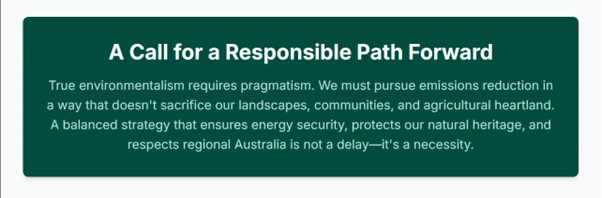
A more sensible, measured approach is needed what has been referred to by some experts as a “pragmatic climate reset”. This approach contrasts with the “rapid” narrative, which assumes that new clean technologies can immediately replace fossil fuels, and instead favours a “gradual” transition that acknowledges the complexities of changing a deeply embedded energy system. The current “hardline response,” described by critics as “economy wrecking”, risks sacrificing practicality on the altar of ambition.
A pragmatic strategy would focus on decarbonizing the “first 90% as quickly and affordably as possible” rather than fixating on an “absolute net zero” target that may require “implausible scenarios” to achieve. This involves recognizing that for the foreseeable future, a tail of “obstinately hard-to-abate fossil-fuel use” will remain.31 Some experts, while supportive of climate action, highlight the immense difficulty of mitigating emissions from the final third of the economy, particularly in the transport, industry, and agriculture sectors, which lack mature, readily scalable technologies.
Pushing too fast in these areas risks economic and social instability. A responsible approach would involve the continued, managed use of conventional energy sources until a resilient, reliable, and socially supported clean energy system can be fully realized.

WRL – EES Directions Hearing
15 September 2025 – Recap
A Process Under Pressure
The Planning Panels Victoria Inquiry and Advisory Committee (IAC) has now set the ground rules for the Western Renewables Link (WRL) hearings.
With 524 written submissions and 187 parties registered to speak, the challenge is clear: ensuring the IAC fully understands the scale of impacts this project will impose on landholders, communities, and the environment. This is not just another infrastructure project – it’s a test of fairness, democracy, and respect for regional Victoria.
Hearing Process and Participation
To have standing, you must have nominated to make an oral submission.
Written correspondence can still be submitted during the hearings, but only by parties with standing.
The hearings will begin in late October 2025 and run four days a week (Mon–Thurs). After a summer break, the Hearings will resume 19 January 2026.
Hearings will be audio recorded only (not video).
Any party may cross-examine experts, provided they are present for the full presentation.
Site Inspections. Nominations for site inspections close 26 September 2025.
Peer Reviews reports that were submitted late by the proponent and not included in the original exhibition period were ruled suitable for inclusion by the IAC to spite concerns raised by the community
VicGrid and AEMO have been confirmed as parties to spite signifcant opposition given the signifcant conflict of intrest.
Behaviour matters: The IAC has stated that intimidation and coercion have no place in the hearing room
Final Word
The proponent will continue to try to frame communities as obstructive, but the truth is clear: the risks are real, the impacts are unacceptable, and regional voices must be heard. This hearing is our opportunity to show the IAC what the WRL really means for landholders, the environment, and democracy itself.
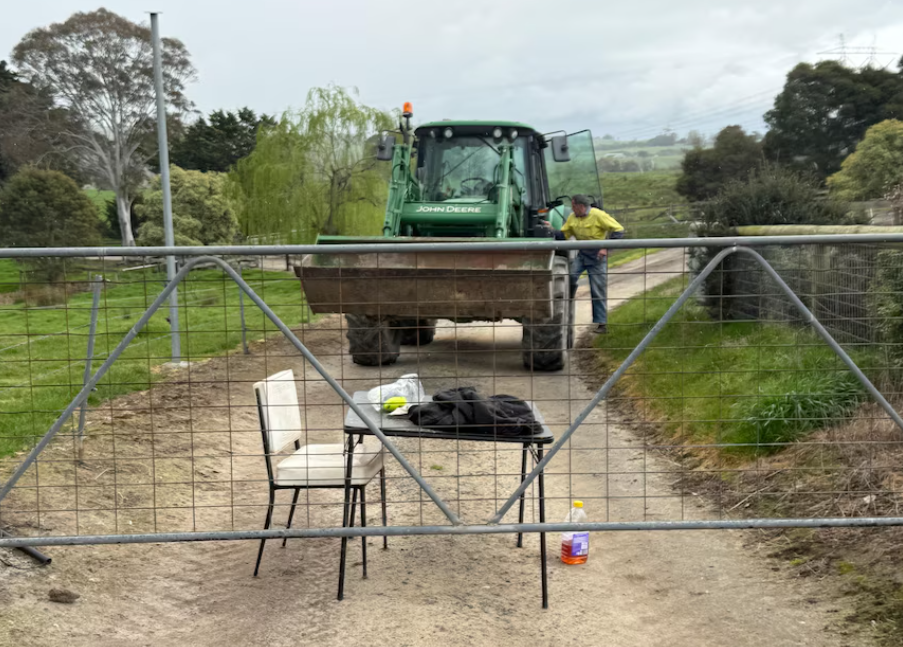
Gippsland Farmer Blocks AusNet Access Over Maintenance Dispute
What happened: Trevor Hasthorpe, a farmer in Tanjil South, Gippsland, blocked AusNet workers from entering his property chaining the gate and blocking the driveway with a tractor. He was responding to past damage done by AusNet during maintenance.
The conflict: Hasthorpe says AusNet vehicles previously churned up paddocks when they came during wet conditions, flattened his hay, and cut back trees that provided shelter for livestock changes he claims were done without care for the agricultural consequences.
AusNet’s position: The company says it has repeatedly provided notice and explanations of upcoming works. They argue the maintenance is essential for inspecting poles, clearing vegetation, and bushfire mitigation ahead of fire season.
Community and expert reaction:
The Victorian Farmers Federation agrees maintenance is required but insists it must be done fairly respecting property conditions and timing so it doesn’t harm paddocks, livestock, or farm operations.
An energy policy expert said this case reflects a growing distrust among landholders. He warned that if trust is not earned, conflicts like this will only get worse especially as more transmission projects are planned.
Legal / public oversight:
AusNet and police are involved in trying to resolve this standoff.
There is strong sentiment among farmers that current laws or practices do not sufficiently protect their rights or livelihoods when infrastructure maintenance is carried out on their land.
Why this matters:
This dispute highlights broader concerns with transparency, fairness, and respect for landholders. It reinforces that even when projects are legally sanctioned, poor timing, insufficient care, and lack of genuine community consultation can generate serious resistance and in doing so, erode trust in infrastructure authorities.