Stop Labors Towers Newsletter – October 17, 2026
IN THIS ISSUE
YOU HOLD THE POWER
- What is Labor hiding? Billions in blowouts, but the truth must wait until after the election.
- If Labor hides the truth before construction, what will happen when the bulldozers arrive?
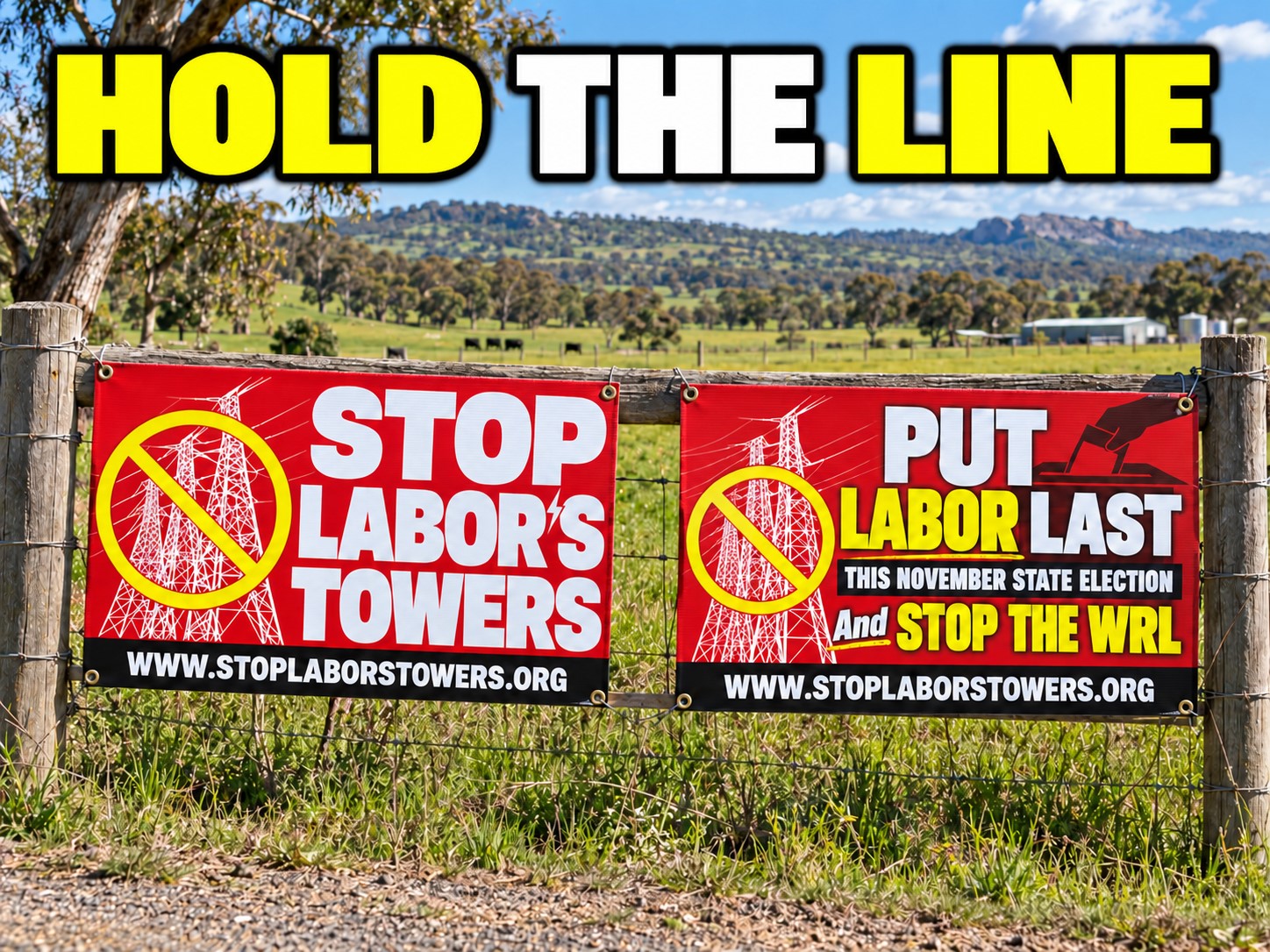
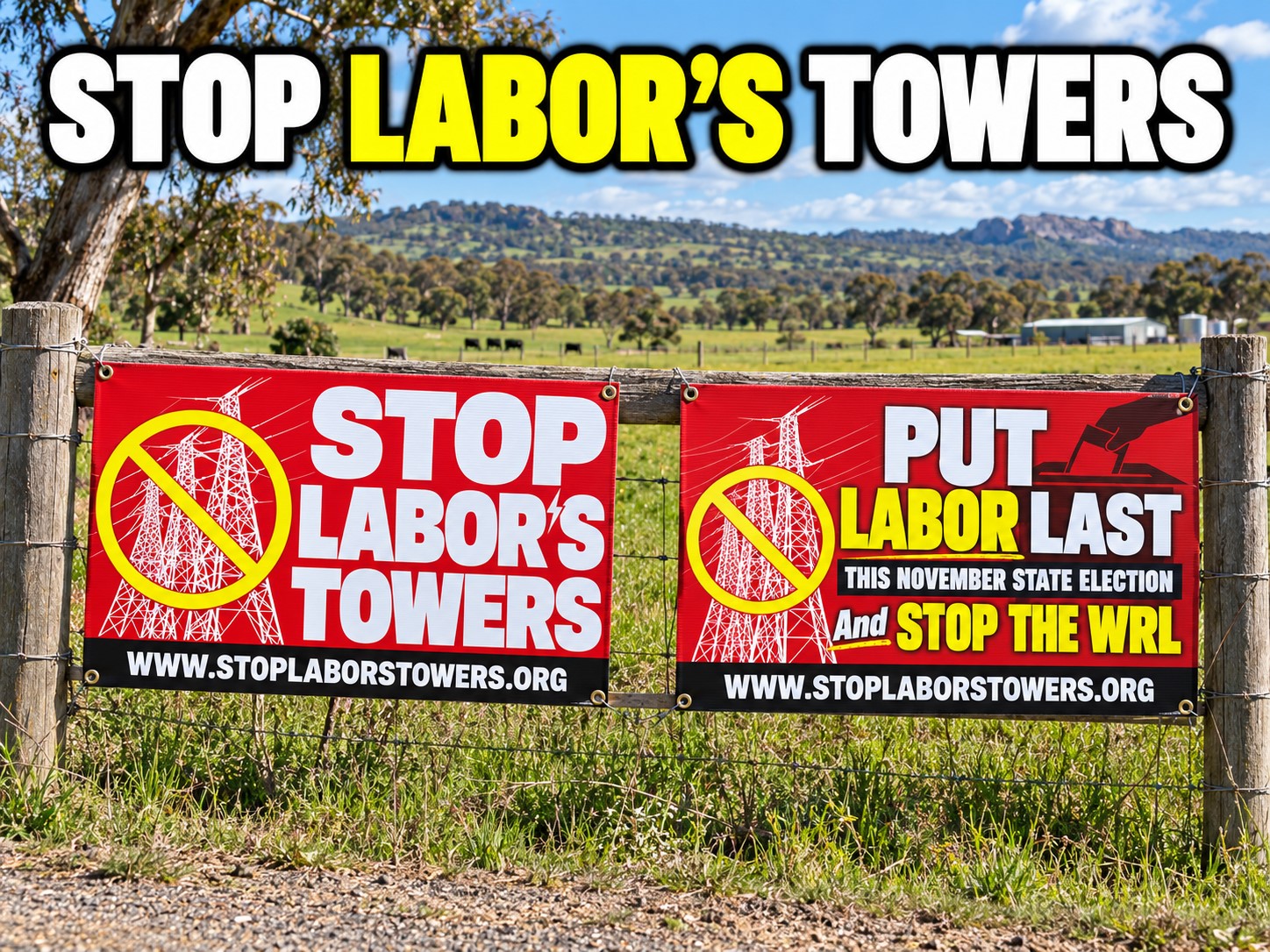
- New “Stop Labor’s Towers” signs available
- Eureka Candidate Debate: make the WRL the main topic. all else pales in comparison!
- “We will drag every corrupt contract into the open”
- Share this newsletter – the WRL will be stopped. this fight is far from over!
___________________________________________
WHAT IS LABOR HIDING? BILLIONS IN BLOWOUTS, BUT THE TRUTH MUST WAIT UNTIL AFTER THE ELECTION
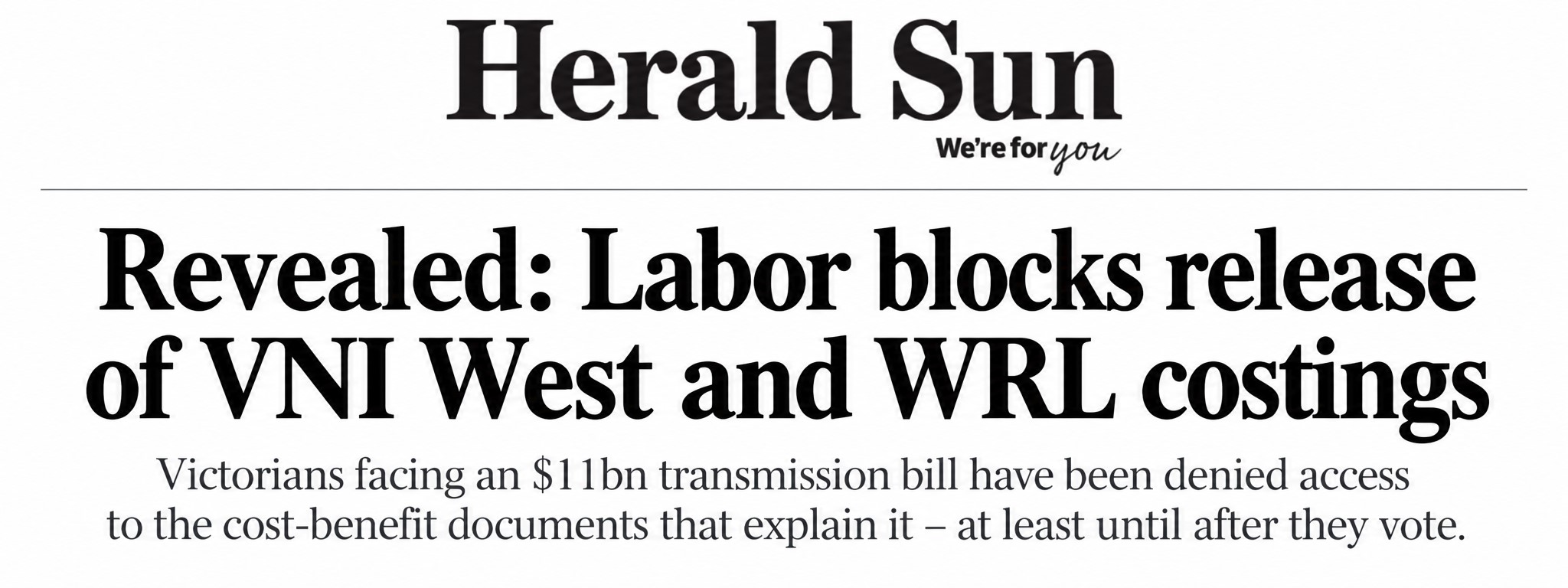
An explosive report in The Weekly Times has exposed yet another extraordinary example of the Victorian Labor Government avoiding scrutiny over the Western Renewables Link (WRL) and VNI West.
For more than two years, the Opposition has sought access to crucial cost-benefit analyses. Now, following a last-minute legal argument relying on legislation Labor introduced, the case has been delayed until December, conveniently after Victorians go to the polls.
And what is Labor so reluctant to reveal?
The WRL’s estimated cost has exploded from $1.5 billion to $4 billion, while VNI West has surged from $3.6 billion to at least $7.5 billion, with fears of even greater blowouts.
Even more damning, Labor previously exempted these projects from national regulatory investment testing designed to establish the most economically beneficial transmission option.
First, Labor removed critical economic safeguards. Then costs exploded. Now, the documents that might explain those decisions are being kept from public scrutiny until after the election.
This is an extraordinary betrayal of transparency and accountability. Regional communities face compulsory acquisition, environmental destruction and the permanent industrialisation of their landscapes, while every Victorian faces the financial consequences.
If these projects represent value for money, why not release the evidence before voters decide?
Victorians deserve answers before November, not excuses in December.
Source: Peter Hunt, The Weekly Times, 14 October 2026, “Revealed: Labor blocks release of VNI West and WRL costings”.
_______________________________________________________________________
IF LABOR HIDES THE TRUTH BEFORE CONSTRUCTION, WHAT WILL HAPPEN WHEN THE BULLDOZERS ARRIVE?
The secrecy surrounding Western Renewables Link and VNI West is no longer simply a question of billion-dollar cost blowouts. It is a frightening warning about what happens when governments place their political objectives beyond proper scrutiny, hand enormous powers to infrastructure companies and expect rural communities to surrender their land, livelihoods and rights without question.
Western Victorian Community Alliance | 17 October 2026
There is something profoundly disturbing about a government that demands absolute transparency from the citizens whose land it intends to seize or occupy, yet fights to prevent those same citizens from examining the economic foundations of its own decisions.
That is the extraordinary situation now confronting Victorians.
Reporting in The Weekly Times on 14 October reveals that the Victorian Labor Government’s handling of a freedom of information dispute over Western Renewables Link (WRL) and VNI West costings has pushed the matter beyond the November state election.
Documents examining the economic foundations of projects costing billions of dollars remain withheld, while a legal argument concerning VicGrid’s exemption from freedom of information requirements has contributed to further delay.
Think about what that means.
The government wants enormous transmission towers across productive farmland. It wants easements through private properties, access for construction and maintenance, and permanent restrictions on how landholders can use their own land.
But when questions are asked about the economic justification for these decisions, the public encounters lawyers, exemptions and delays.
Labor demands access to our land while resisting access to its own records.
That is not the standard of accountability Victorians should expect from their government.
BILLIONS IN BLOWOUTS. DOCUMENTS WITHHELD. ACCOUNTABILITY DELAYED.
Western Renewables Link was originally estimated at approximately $500 million. The figure now being reported is around $4 billion.
This is an extraordinary increase involving infrastructure that will be paid for, directly or indirectly, by electricity consumers for decades.
And yet the economic assessments and options analysis requested by Opposition energy spokesman David Davis in September 2024 remain at the centre of a legal dispute.
The significance extends beyond the numbers.
The reporting also raises serious questions about the February 2023 ministerial order issued under then Energy Minister Lily D’Ambrosio, which altered the regulatory arrangements governing these transmission projects.
The government argues that its transmission program is necessary for Victoria’s energy future. But necessity is not a substitute for independent scrutiny, and the pursuit of a political objective does not excuse a government from explaining its costs, alternatives and consequences.
The question is no longer merely whether Labor has made expensive mistakes.
It is whether Victorians have been given sufficient information to discover the scale and consequences of those mistakes before they become irreversible.
The reported conduct raises deeply troubling questions about transparency, integrity and the use of government power. It warrants rigorous independent investigation, not another round of reassuring ministerial statements.
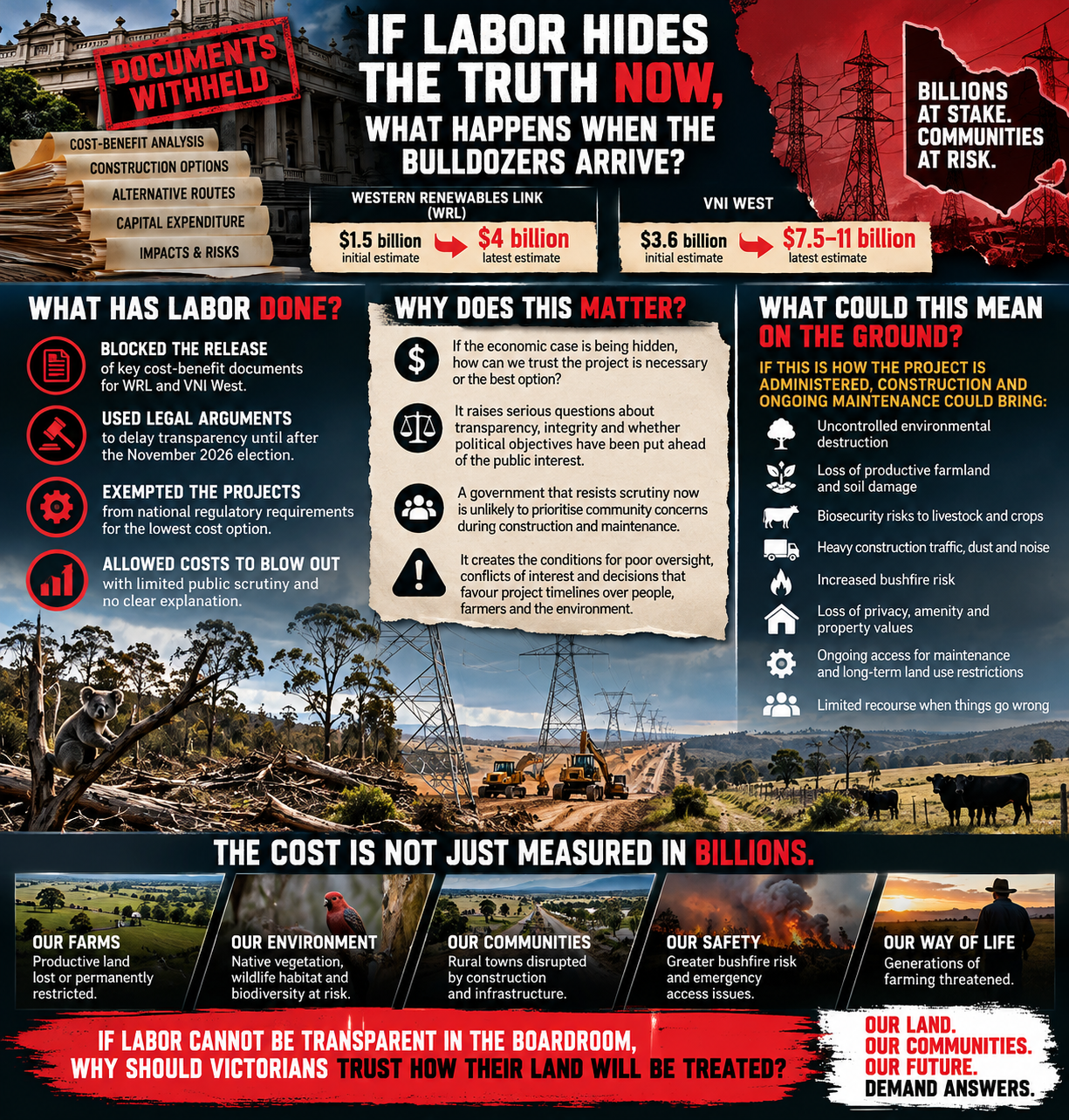
IF THIS IS HOW THE PROJECT IS GOVERNED, IMAGINE HOW IT WILL BE BUILT.
This is where the implications become particularly alarming for the families, farmers and communities directly affected by Western Renewables Link.
Today, the dispute concerns access to documents, economic modelling and government accountability.
Tomorrow, it will concern access to private property, the removal of vegetation, excavation, construction traffic, biosecurity, emergency access, rehabilitation and the permanent occupation of agricultural land.
And that should frighten every landholder along the proposed route.
Consider the imbalance of power.
On one side stands a government that has demonstrated its willingness to use special legislative and regulatory arrangements to advance these projects.
Alongside it stands AusNet, the company responsible for delivering, owning and operating Western Renewables Link, together with the contractors engaged to undertake construction.
On the other side stands an individual landholder.
A farmer whose family may have worked that property for generations.
A family whose home could be overshadowed by an enormous transmission tower.
A primary producer whose business depends on uninterrupted access to land, water, livestock and biosecure working conditions.
What happens when a landholder disputes the proposed removal of significant trees?
What happens when construction access threatens livestock, damages productive soil or compromises property security?
What happens when a farmer disagrees with a contractor’s assessment of environmental damage or rehabilitation requirements?
And what happens when that dispute is inconvenient to a construction schedule worth billions of dollars?
If the government is prepared to resist scrutiny over the justification for the project itself, why should landholders have confidence that their individual concerns will receive fair and independent treatment once construction begins?
There are environmental requirements, approval conditions and legal obligations that AusNet must satisfy. But rules are only as effective as their enforcement.
A condition written in an approval document will not restore a destroyed century-old tree. A complaints procedure cannot immediately reverse a biosecurity breach. A promise to rehabilitate agricultural land is no substitute for preventing damage in the first place.
And compensation, however calculated, cannot necessarily restore a family home, a lifetime of agricultural investment or the character of a landscape permanently transformed.
THE DANGER OF A PROJECT THAT BECOMES TOO BIG TO QUESTION
The most troubling prospect is that every person involved in constructing WRL will disregard landholders and environmental protections.
The institutional pressures surrounding a multibillion-dollar project will systematically push landholder interests into second place.
Construction contractors operate to programs, deadlines, budgets and contractual obligations.
Farmers operate according to seasons, weather, animals, soil conditions and the long-term stewardship of their properties.
Those priorities will inevitably collide.
When they do, who will have the final say?
Will AusNet be required to demonstrate that every reasonable alternative has been exhausted before permanent damage occurs?
Will landholders have meaningful rights to challenge decisions before construction activities proceed?
Will independent environmental and biosecurity specialists have the authority to stop work?
Will complaints be investigated by genuinely independent bodies with enforceable powers?
Or will affected families find themselves negotiating with the very organisations responsible for delivering the project, supported by a government determined to see it completed?
These are not hypothetical concerns without consequence. They are the practical questions that determine whether rural families can continue living and working safely on their land.
The danger is a system in which the construction program becomes the priority, environmental protection becomes a compliance exercise, and the landholder becomes an obstacle to be managed.
That is an unacceptable foundation for a project that will affect communities for generations.
A CULTURE OF SECRECY DOES NOT SUDDENLY BECOME A CULTURE OF CARE
Trust cannot be switched on when the first excavator arrives.
It must be earned through transparency, accountability, independent scrutiny and a demonstrated willingness to listen.
For more than six years, we have questioned the project’s justification, route selection, environmental consequences, bushfire risks, landholder impacts and alternatives.
Now, the latest reporting gives those communities further reason to question the government’s commitment to openness.
A government confident in the robustness of its decisions should welcome scrutiny of the evidence underpinning them.
A government confident that it has selected the most appropriate infrastructure solution should be prepared to explain the alternatives it rejected.
And a government genuinely committed to protecting rural communities should not expect those communities to simply trust its assurances while important documents remain withheld.
This controversy does not, by itself, prove corruption or establish that AusNet will breach its legal obligations.
But it exposes precisely the circumstances in which corruption risks, poor administration, conflicts of interest and institutional indifference can flourish if safeguards are inadequate.
When transparency is weakened, accountability becomes harder. When accountability becomes harder, those with the least power carry the greatest risk.
In this case, those people are the rural families whose properties stand in the path of Western Renewables Link.
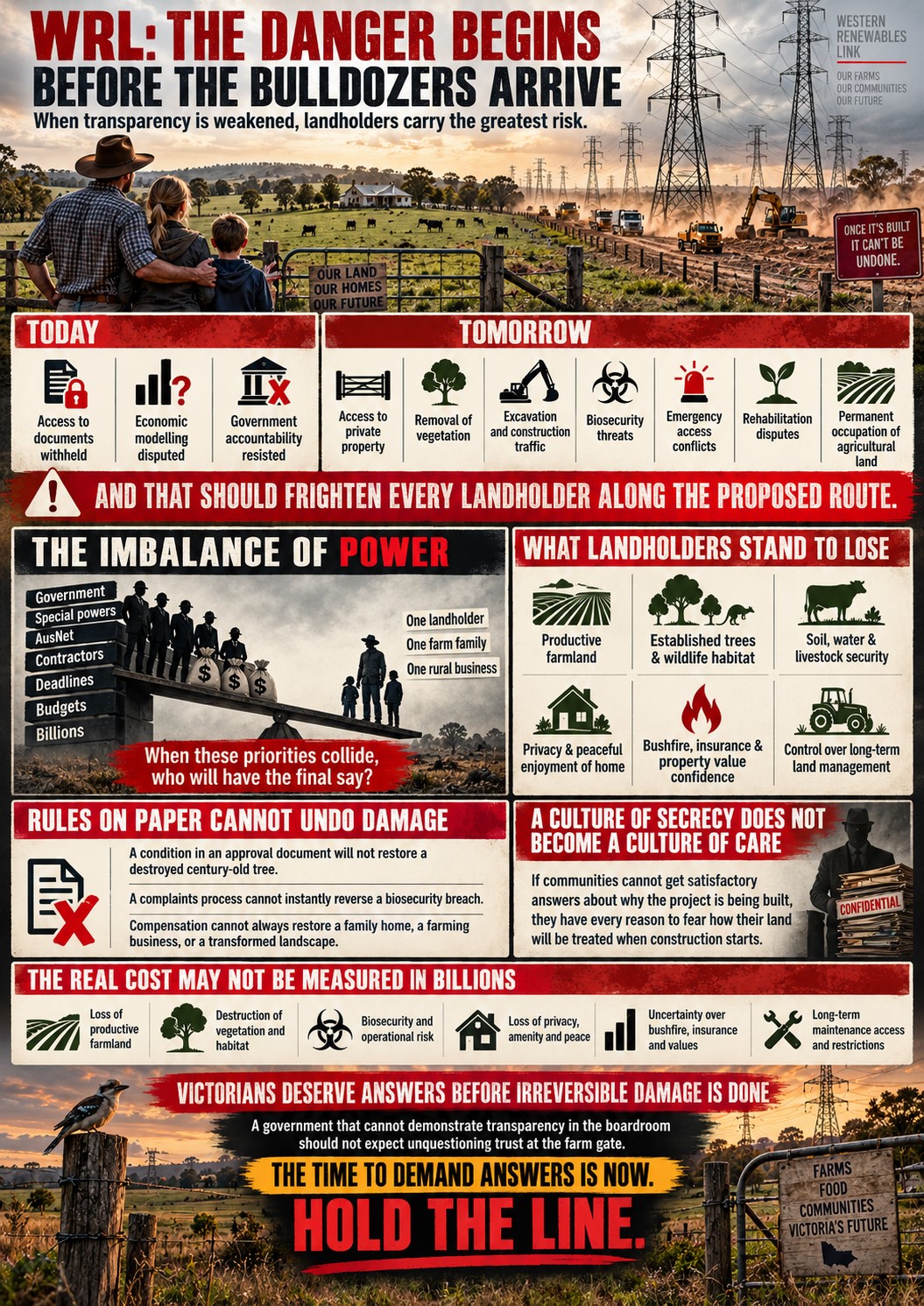
THE REAL COST MAY NOT BE MEASURED IN BILLIONS
Governments measure infrastructure in dollars.
Construction companies measure progress in kilometres, towers erected and milestones achieved.
But the people living beneath those transmission lines will measure the consequences very differently.
In the loss of productive farmland.
In the destruction of established vegetation and wildlife habitat.
In the risk to biosecurity and agricultural operations.
In the loss of privacy, amenity and the peaceful enjoyment of their homes.
In the uncertainty surrounding bushfire safety, insurance, property values and long-term land management.
And in the knowledge that maintenance access and restrictions may continue long after the politicians who authorised the project have departed office.
For our families, Western Renewables Link is not a temporary construction project.
It is a permanent intervention in our lives.
And the prospect of entering that future under a regulatory and administrative framework already damaged by serious concerns about transparency should alarm every Victorian, whether or not a transmission tower is proposed for their property.
VICTORIANS DESERVE ANSWERS BEFORE IRREVERSIBLE DAMAGE IS DONE
The Western Victorian Community Alliance believes the government must release the relevant economic assessments, explain the regulatory decisions that shaped these projects, and subject the underlying justification to genuinely independent scrutiny.
Just as importantly, the public deserves to know exactly how AusNet and its contractors will be held accountable for construction and maintenance impacts, who will independently enforce environmental protections, and what effective remedies landholders will have when things go wrong.
Those protections must exist before construction, not be negotiated after damage has
occurred.
Because the central lesson from this latest controversy is deeply unsettling.
If communities cannot obtain satisfactory answers about why these projects are being built, they have every reason to fear how their land will be treated when construction starts.
The Victorian Government has had years to earn the confidence of affected communities.
Instead, it now faces serious questions about cost escalation, regulatory exemptions and the withholding of economically significant documents.
And the people expected to live with the consequences are being asked to trust that everything will somehow be different when the machinery arrives.
That is a dangerous leap of faith.
A government that cannot demonstrate transparency in the boardroom should not expect unquestioning trust at the farm gate.
The bulldozers have not yet arrived on every affected property.
There is still time to demand proper scrutiny, enforceable protections and accountability.
But once the land is cleared, the foundations poured and the towers erected, the damage may be permanent.
The time to demand answers is now. Not after the election. Not after the contracts are enforced. And certainly not after the bulldozers have done their work.
HOLD THE LINE.
_______________________________________________________________________
NEW SIGNS AVAILABLE
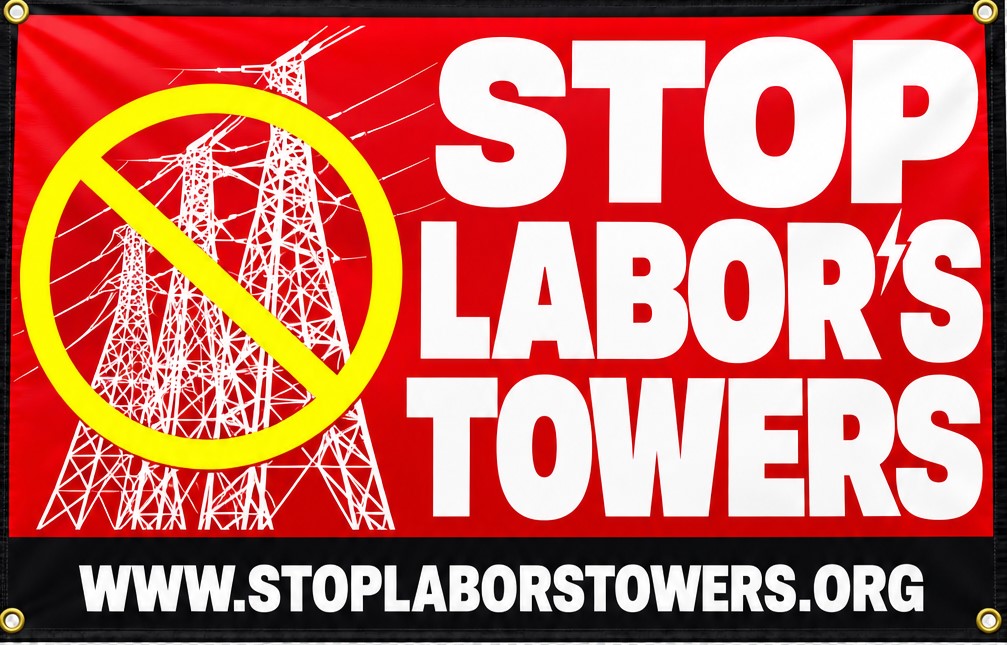
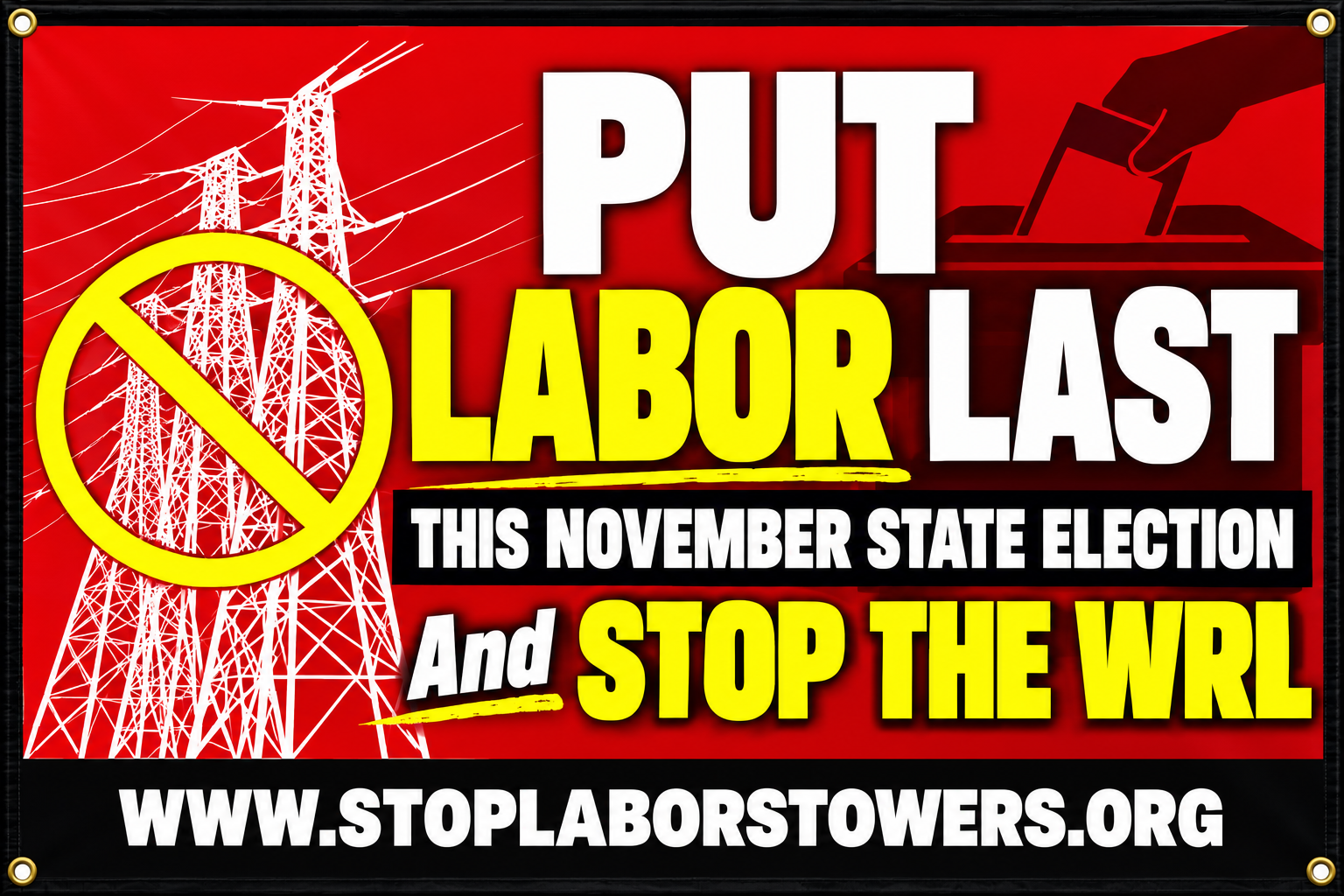
GET YOUR ELECTION SIGNS IN BALLAN – SATURDAY 24TH OCTOBER!
The November State Election is approaching, and now is the time to make our message impossible to ignore!
We need our signs on fences, farm gates, front lawns and properties right across the region.
Let every passing motorist know where our communities stand. PUT LABOR
LAST AND STOP THE WRL!
🚨 LIMITED SUPPLY – PRE-ORDER TO SECURE YOUR SIGNS!
We have two designs of our bold, high-impact election signs available for collection in Ballan.
📍 WHERE: McLean Reserve, corner of Fisken Street and Inglis Street, Ballan (opposite the newsagent).
📅 WHEN: Saturday 24 October 2026
⏰ TIME: 9:00 am – 11:00 am
🪧 SIGN DETAILS:
- Size: 600 mm x 900 mm
- Material: Durable Corflute with eyelets, ready for mounting
- Two designs available
- PRICE: JUST $10 EACH (to cover production costs)
✉️ PRE-ORDER NOW – DON’T MISS OUT!
Supplies are limited, so secure yours before Saturday!
Email info@stoplaborstowers.orgwith the number of signs you would like, and we will reserve them for you to collect in Ballan.
EVERY SIGN COUNTS. EVERY FENCE COUNTS. EVERY VOTE COUNTS.
The more signs we get out across our communities, the harder our message will be to ignore.
Stand up for our farms, our homes and our communities.
PUT LABOR LAST. STOP THE WRL. HOLD THE LINE!
________________________________________________________________________
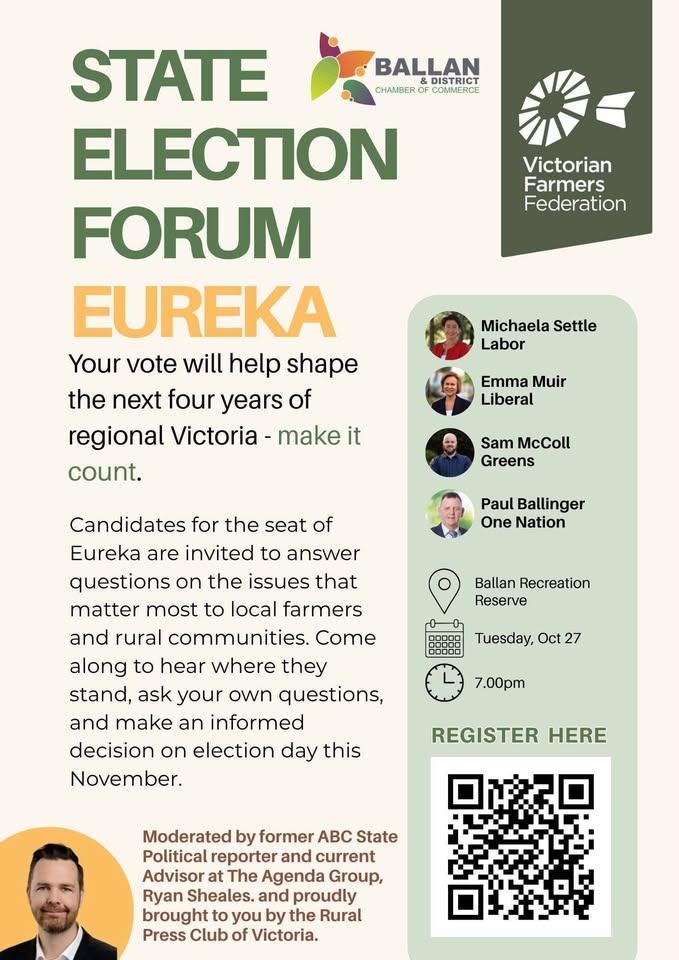
EUREKA: MAKE THE WRL THE MAIN TOPIC. ALL ELSE PALES IN COMPARISON!
THIS IS YOUR CHANCE TO CONFRONT THE POLITICIANS. REGISTER NOW AND MAKE YOUR VOICE HEARD!
The Western Renewables Link (WRL) is not just another election issue. For the communities in its path, it is a fight for our homes, our farms, our environment, our safety and our fundamental rights.
And Labor must be made to answer for it.
For more than six years, our community has fought against this project. We have witnessed what we believe to be an extraordinary disregard for landholders, serious questions over bushfire safety, escalating costs, government secrecy and the use of extraordinary powers to force this project forward.
Where is the transparency? Where is the accountability? And why should any Victorian trust a government that refuses to release critical project costings before an election?
These are questions Labor must face publicly, not hide behind another government press release.
On Tuesday 27 October, candidates for the seat of Eureka have been invited to a public election forum in Ballan.
WE NEED THE ROOM FULL. WE NEED THE WRL FRONT AND CENTRE. AND
WE NEED EVERY CANDIDATE TO STATE CLEARLY WHERE THEY STAND.
Do not allow the WRL to become a footnote in another election discussion. The consequences for our region are too serious, too permanent and too far-reaching.
YOU DO NOT NEED TO BE A VFF MEMBER. YOU DO NOT NEED TO BE A FARMER.
You simply need to care about the future of our community.
EVENT DETAILS
- Tuesday 27 October 2026
- 7:00 pm
- Ballan Recreation Reserve
- Hosted by the Victorian Farmers Federation and Ballan & District Chamber of Commerce.
REGISTRATION IS REQUIRED.
This is an opportunity to demand straight answers, challenge the decisions being made in Melbourne and insist that those seeking to represent Eureka listen to the people who will live with the consequences.
DON’T LEAVE IT TO SOMEONE ELSE TO ASK THE QUESTIONS. BE THERE.
HOLD THE LINE. MAKE THE WRL IMPOSSIBLE TO IGNORE.
________________________________________________________________________
“WE WILL DRAG EVERY CORRUPT CONTRACT INTO THE OPEN”
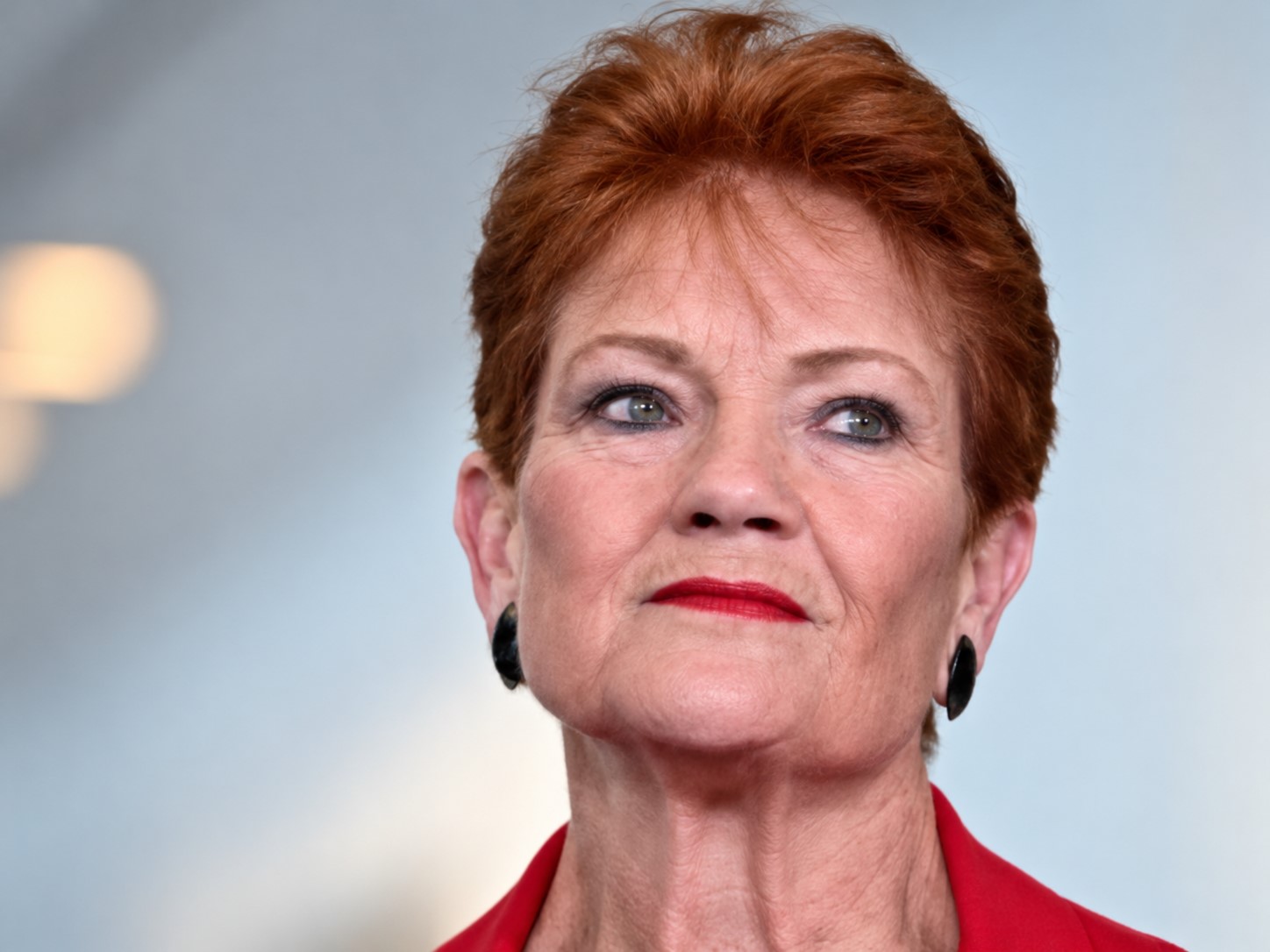
Pauline Hanson calls for a Royal Commission into Net Zero. The Western Renewables Link deserves the same scrutiny.
In a significant development reported by the Herald Sun on 10 October, One Nation leader Pauline Hanson has called for a federal Royal Commission into Australia’s net zero agenda, demanding that secret agreements, questionable contracts, foreign commercial interests and the use of taxpayers’ money be exposed.
“We will drag every corrupt contract into the open,” Hanson declared in remarks reported ahead of the CPAC conference.
For our community fighting the Western Renewables Link (WRL), her message strikes a familiar chord.
For six years, we have challenged the secrecy, extraordinary government intervention and escalating costs surrounding this project.
These are precisely the concerns WVCA has raised in its own submission seeking Royal Commission scrutiny of the WRL, including whether improper political or industrial influence has affected decisions about the project.
If the project is economically justified, properly governed and in the public interest, why has obtaining full transparency proved so difficult?
Hanson’s proposed federal inquiry is separate from the Victorian Royal Commission process, but both reflect an increasingly important demand: public money, government decisions and major infrastructure contracts must withstand independent scrutiny.
The WRL must not be allowed to become another multibillion-dollar project whose true costs, beneficiaries and consequences are revealed only after the damage is done.
The people of regional Victoria deserve the truth, and they deserve it before
construction proceeds.
STOP THE WRL. HOLD THE LINE.
________________________________________________________________________
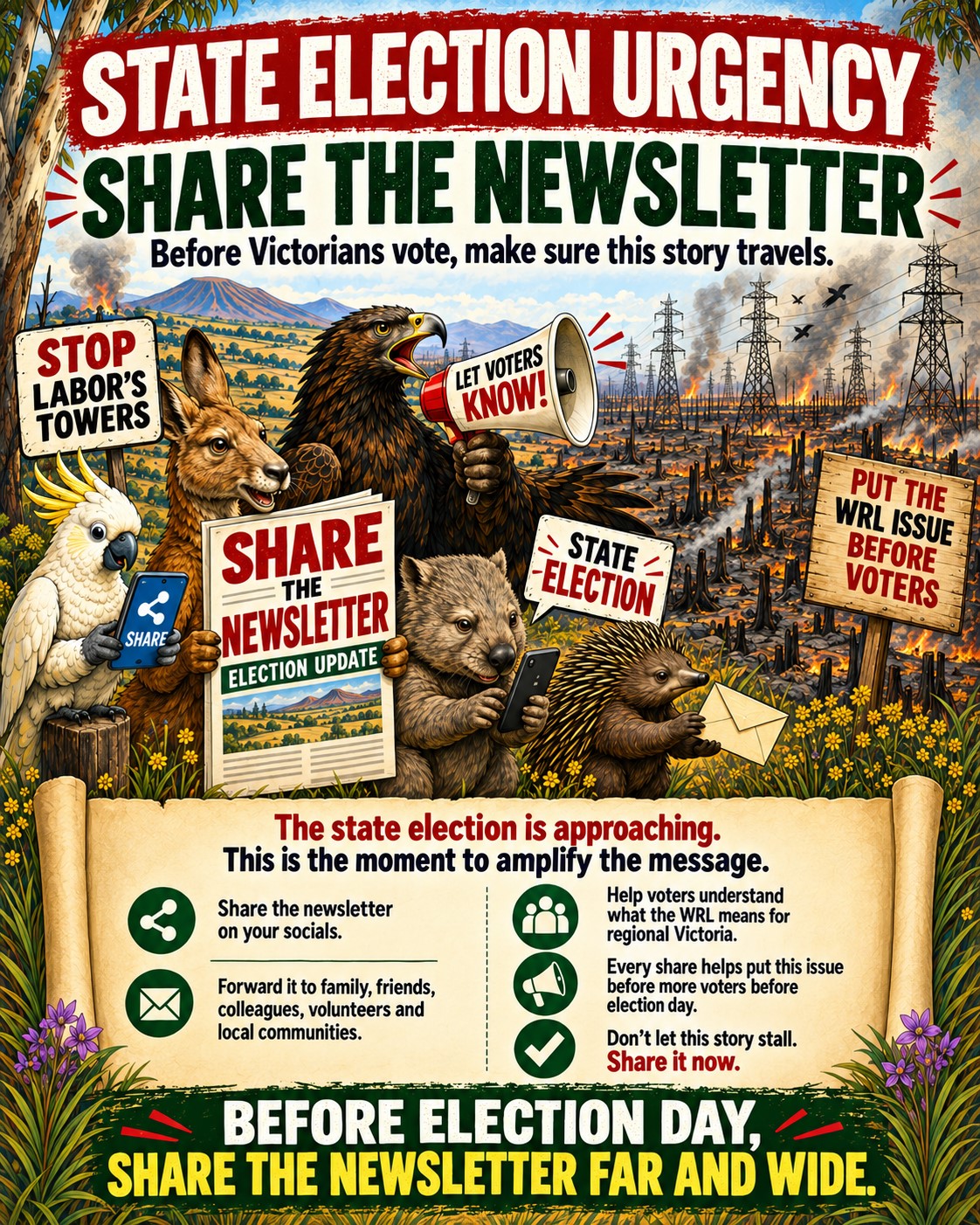
SHARE THIS NEWSLETTER – THE WRL WILL BE STOPPED. THIS FIGHT IS FAR FROM OVER!
________________________________________________________________________