STOP LABORS TOWERS
NEWSLETTER – April 18, 2026
Hold the Gate, Hold the Line – Why We Must Stop WRL Now
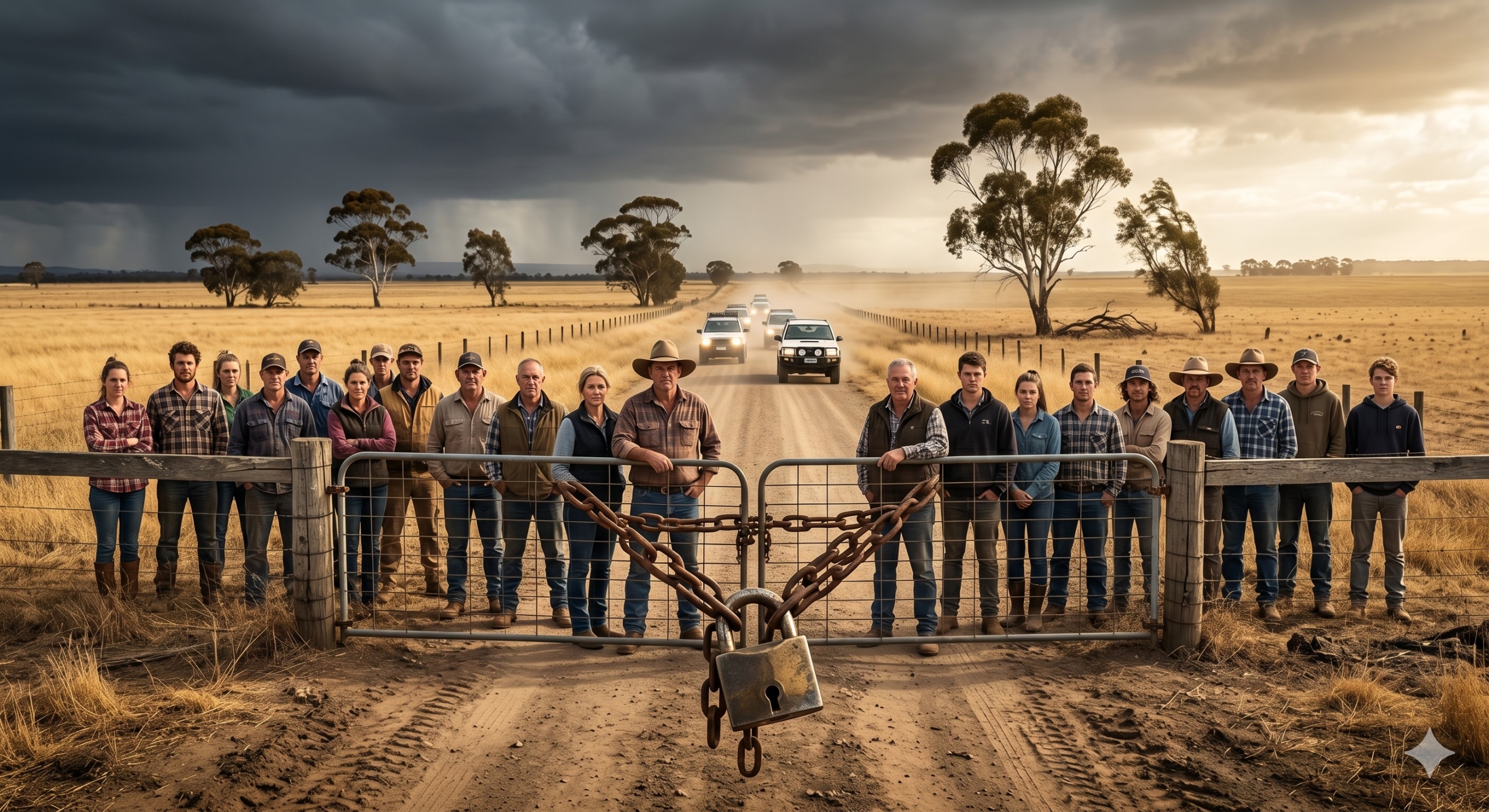
There comes a point where the story stops being about “process” and “consultation” and becomes what it always was: a raw contest over who gets to decide what happens to the land, the people on it, and the risks they are forced to carry.
With VNI West we have already seen the template. Authorised officers “armed” with new powers, rolling up in convoys to family farms in the middle of a fuel and fertiliser crisis. Families scrambling to organise rosters, neighbours standing shoulder to shoulder along fence lines, thousands of supporters ready to “hold the gate”. The state dresses this up as routine access for “ecology surveys”. To the people on the ground, it feels like something closer to an invasion.
WRL is the same story written in different paddocks – only bigger, more dangerous, and more reckless. This is not a boutique planning spat. It is an industrial scale threat to agriculture and to safety, composed quite specifically in bushfire country. High voltage lines across heavily vegetated, fire prone landscapes. Towers and easements that will change how you fight fires, how you move stock, how you get machinery and tankers in and out when the sky turns black. The risk is not abstract, and it is not borne by the people signing the contracts.
We are told this can only be done this way: through prime farming land, through communities, through existing firegrounds. That’s simply not true. The project can be undertaken in far less destructive ways – different corridors, different technologies, different design principles. Those options are more expensive for the proponent. So instead, the cost is quietly shifted onto farmers, on rural towns, on CFA volunteers who will have to work out in real time how to save lives and properties in a landscape now threaded with live wires.
That is why this cannot be reduced to individual negotiation or “compensation packages”. A cheque does not put out a grassfire under falling conductors. An easement agreement does not bring back a neighbour lost on a blocked track. You cannot be paid enough to accept systemic risk that will be borne by everyone around you while the beneficiaries report a tidy return to their shareholders in another state, or another country.
So yes, blocking access is a moral act. Standing at the gate is not obstinacy; it is the last line of rational defence when every other avenue has been gamed, delayed, or ignored. When a project is this dangerous, this poorly conceived, and this dismissive of the people and industries it will endanger, withholding consent is not just a right – it is a duty.
We need to be absolutely clear about this: WRL is not inevitable. It is a choice. A choice to push the most hazardous version of this project through some of the most productive and fire vulnerable landscapes in the state, when safer, less destructive alternatives exist. A choice to prioritise corporate convenience over food security, over rural livelihoods, over the lives of firefighters who will one day be told to go in under those lines.
That is why the response must be collective. One farmer alone is easy to isolate. A line of neighbours at the gate is harder. Thousands across a corridor, across multiple projects, across electorates – that is something else entirely. A united blockade is not just a tactic; it is a statement that we will not quietly absorb other people’s risk so they can meet their timelines and hit their profit targets.
This is a call to arms, but of a particular kind. To coordinate. To share information. To refuse divide and rule. To stand with those whose gates are next, because once this template is established – fines, forced entry, safety risks waved away with form letters – it will be used again and again.
Transition is necessary. But a transition that casually endangers farms and firegrounds, that treats bushfire risk as a line in an appendix, is not a climate solution. It is another form of state sanctioned recklessness.
So we hold the line. Not because we are against change, but because we understand, more clearly than the people signing off on these routes, what is at stake if we let this version of WRL go through. The risk and impacts are far too great. Until there is a plan that respects the land, the fire, and the people who live with both, the only responsible answer is no.
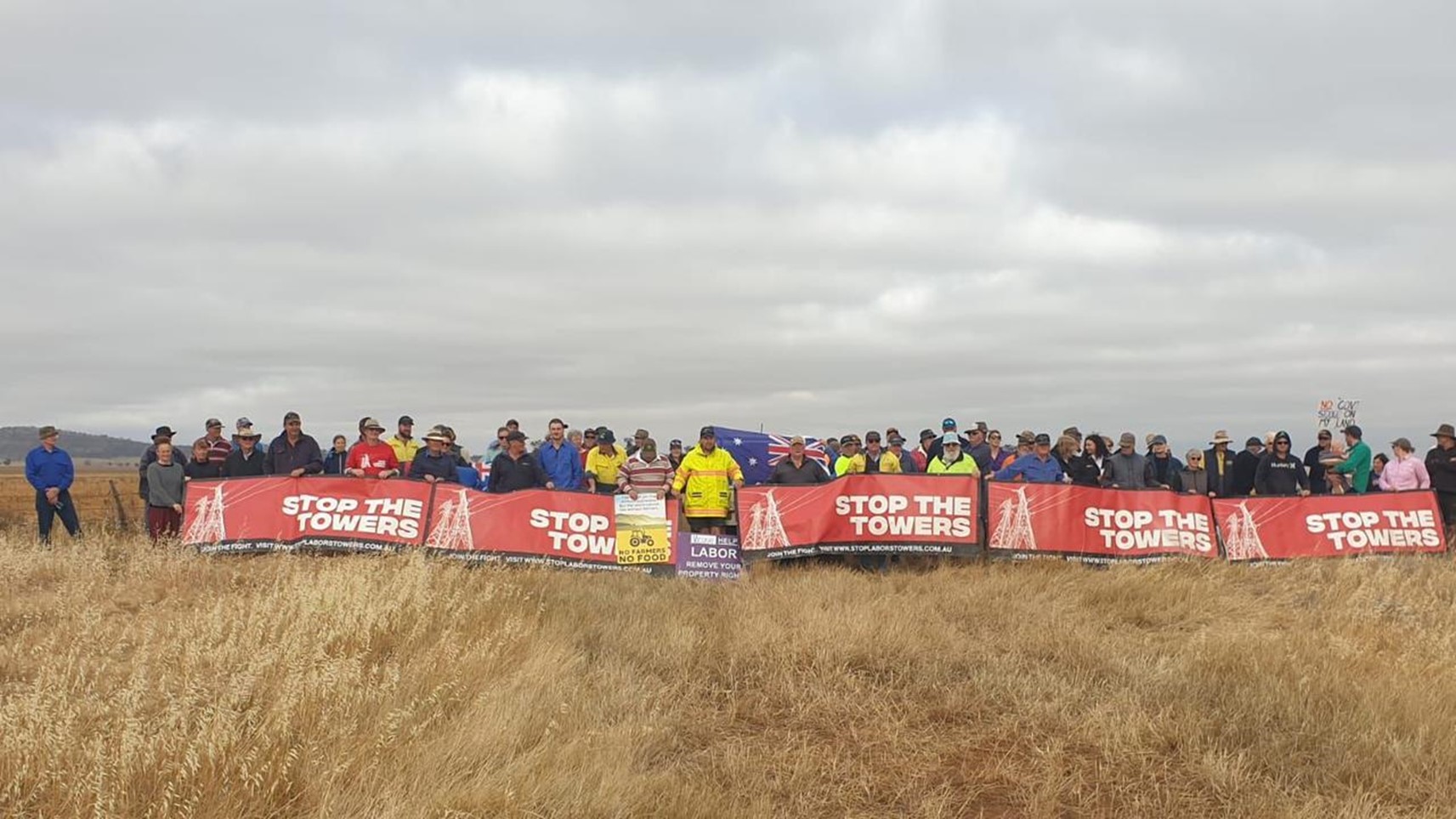
VicGrid officers will force entry onto 26 Victorian farms this week to conduct surveys, but farming families have enlisted thousands of supporters to block access at farm gates.
VicGrid’s authorised officers face crowds of farmer supporters blocking their attempts to enter rural properties over the next four weeks.
VicGrid’s authorised officers will start rolling up to 26 properties along the proposed VNI West transmission corridor from Thursday this week, in a second-round bid to enter farms and undertake ecological surveys.
The officers are going in armed with new powers to fine anyone who obstructs their way $800 in the first instance, with a second breach involving a court order penalty of $8000.
But the 26 farming families have been planning their response for weeks, enlisting the support of the wider community to stand along boundary fences and front gates to stop VicGrid’s officers gaining access.
Jeffcott farmer James Burke said meetings were being held this week to co-ordinate rosters of people to stand along fence lines over the next month.
“We have 26,000 people who have signed our petition and are willing to come to the farm gate,” Mr Burke said.
The Farmers Fightback petition asks for volunteers to “Hold the Gate” or help with phone banking, logistics and social media advocacy as “no matter your background or how much time you have to give, your contribution makes us stronger”.
While VicGrid is trying to undertake ecological surveys on just 26 farms, it recently revealed it has yet to gain access to 60 per cent of the land along the 240km VNI West easement route in Victoria.
Gre Gre farmer Ben Duxson said VicGrid’s attempts to enter properties was “unfair and unjust”.
“They want to come at us in the midst of a fuel and fertiliser crisis – one of our busiest times of year,” Mr Duxson said. “(But) we will hold up and see what happens.”
Vicgrid chief executive Alistair Parker said VicGrid had issued Notices of Proposed Entry to landholders at the 26 properties, between Stawell and Murrabit, where access for critical ecology surveys had not been agreed.
Mr Parker said VicGrid had made extensive attempts to reach voluntary agreement with this group of landholders and was providing clear notice in line with legislative requirements, including obligations relating to safety, respectful conduct and biosecurity.
Victorian farmer left feeling ‘disrespected’ by VicGrid officers for denying access to land
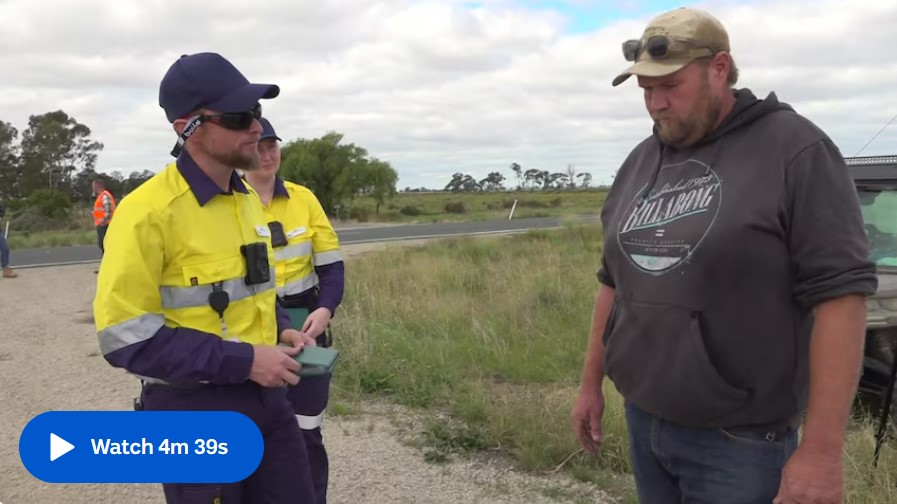
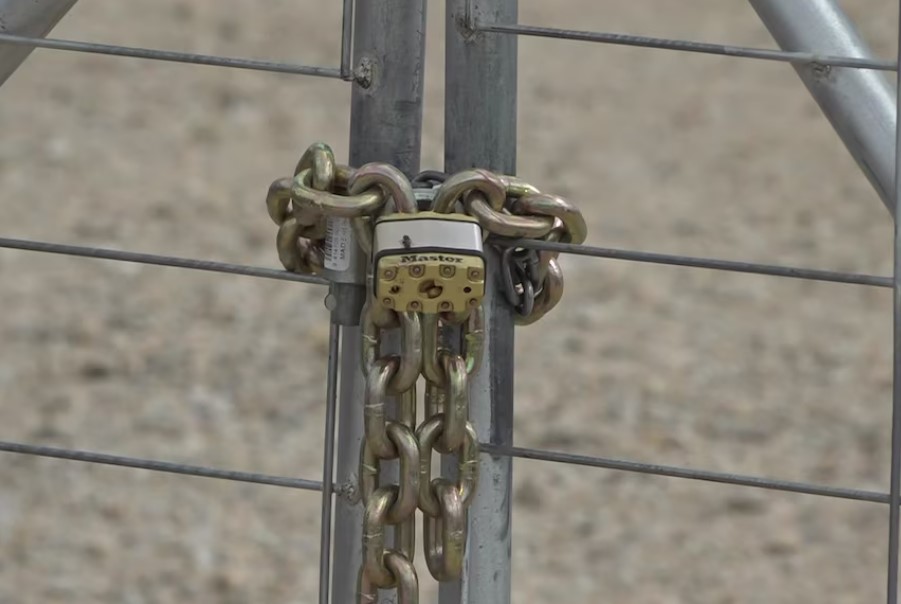
A Victorian farmer, Nathan McKnight, is refusing to allow VicGrid officers onto his property for environmental surveys linked to the proposed VNI West transmission line, which would cut through a significant portion of his farm.
The situation escalated when authorised officers visited his property wearing body cameras and warned him that denying access could result in an $800 fine or a court order forcing entry. McKnight said he felt “disrespected” by the approach and has responded by locking his gates, insisting he will not allow access under any circumstances
The incident has sparked broader concerns about the Victorian government’s increasingly “law-and-order” approach to progressing renewable energy projects.
Farming groups, including the Victorian Farmers Federation, criticised the tone of the interaction as intimidating and called for a “reset” in how authorities engage with landholders.
At the same time, the article highlights that not all farmers oppose the project. Some have agreed to grant access and even support the transmission line, seeing it as necessary infrastructure for the future energy system.
VicGrid maintains it is following legal processes, prefers voluntary agreements, and argues the project is essential for maintaining electricity supply. However, it also confirmed that if access is denied, it may proceed using assumptions or legal powers to gain entry.
In essence: the story captures a growing clash between government-driven energy infrastructure rollout and landholder resistance, with tensions increasingly centred on access rights, consultation, and respect.
THE PRICE OF BETRAYAL: DEBUNKING AUSNET’S $4 MILLION “BLOOD MONEY” BRIBES
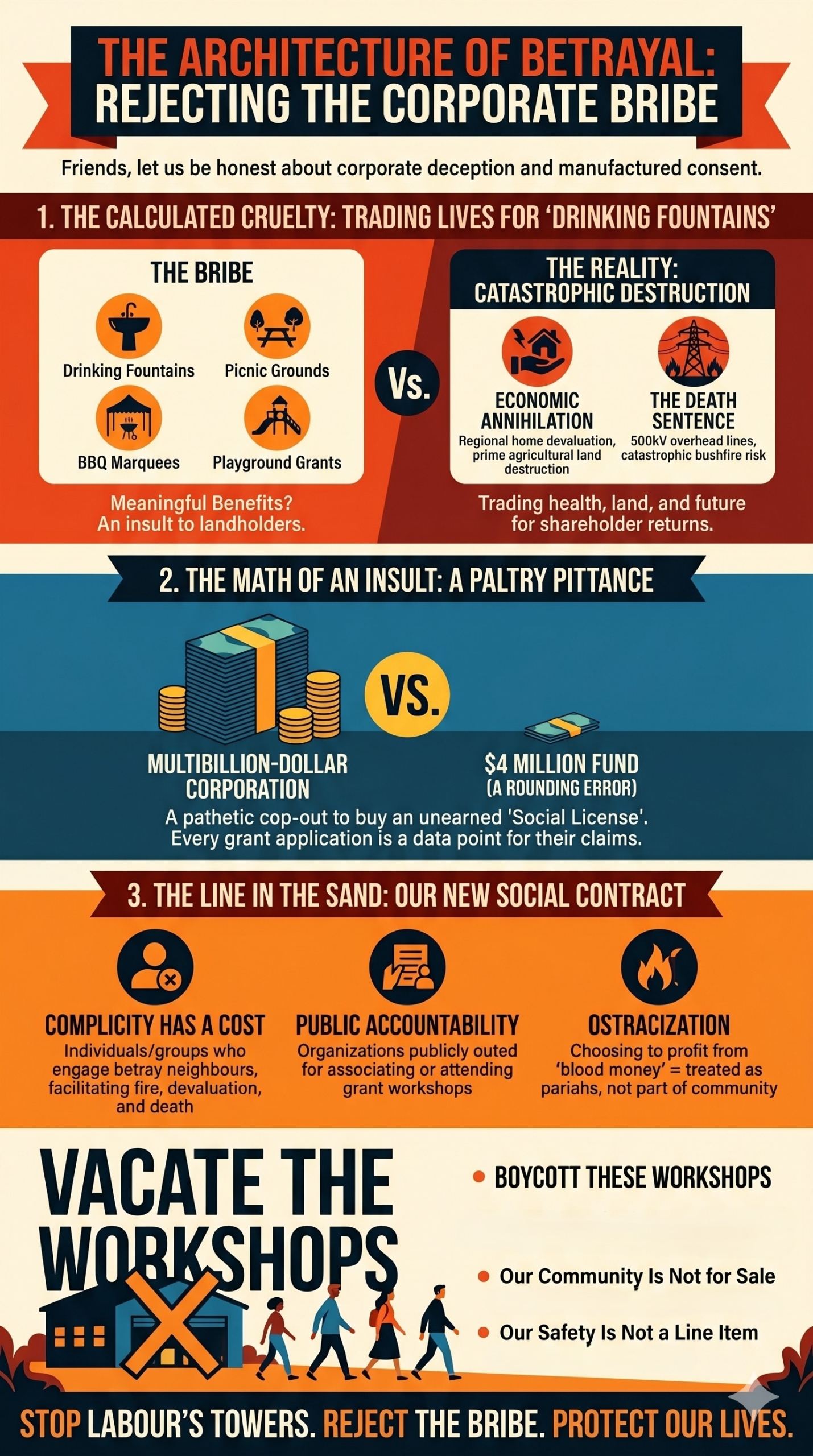
THE ARCHITECTURE OF BETRAYAL: WHY WE REJECT THE CORPORATE BRIBE
Friends, let us be honest about what is happening in our community. We are witnessing a masterclass in corporate deception and manufactured consent. For five years, we have stood our ground, and now, the multi-billion-dollar entities behind the Western Renewables Link are trying to buy their way through our front gates with what can only be described as blood money.
They want us to believe that a few local grants and community “workshops” are a fair trade for the destruction of our landscape. They are wrong.
The “Blood Money” Reality
The simple truth is that the “community benefit” being offered is a strategic rounding error in a corporate ledger. While they talk of “fairness and opportunity,” the reality is a diseased governance process where bacteria grows in the darkness of redacted business cases and captured institutional panels.
The currency being exchanged here is not just dollars – it is the health, the land, and the future of host communities. This is being traded for the “prosperity” of the state and the “shareholder returns” of a global corporation.
The latest dispatch from the Western Renewables Link (WRL) project team is a masterclass in corporate gaslighting. They are hosting “workshops” to teach our community how to beg for crumbs while they prepare to feast on our livelihoods, our safety, and our future.
This isn’t “community support.” This is manufactured consent. This is blood money.
- THE CALCULATED CRUELTY: Trading Lives for “Drinking Fountains”
AusNet’s glossy brochure lists “drinking fountains,” “picnic grounds,” and “BBQ marquees” as the “meaningful benefits” of this project. It is an insult to the intelligence of every landholder from Bulgana to Sydenham.
While they offer grants for a playground, they are ignoring the hundreds of millions of dollars in damage this project will inflict.
- Economic Annihilation: The devaluation of regional homes and the destruction of prime agricultural land isn’t a “risk” – it’s a certainty. The total loss to our community’s collective wealth dwarfs this $4 million “fund” by a factor of a hundred.
- The Death Sentence: We live in one of the most fire-prone regions on Earth. Stringing 500kV overhead lines through our landscape is a catastrophic gamble with human lives. No “community garden” will compensate for the families who will be trapped when these lines spark the next unavoidable inferno.
To accept this money is to acknowledge that the life of a neighbour is worth less than a resurfaced netball court.
- THE MATH OF AN INSULT: A Paltry Pittance
Let’s be clear about the numbers. AusNet is a multi-billion-dollar entity. A $4 million fund spread across five local government areas over several years is a rounding error in their accounting books. It is ameasly, pathetic cop-out designed to buy a “Social License” they never earned and will never deserve.
They are attempting to buy our silence for cents on the dollar. They want to be able to tell the EES inquiry and the media that the community is “engaged” and “benefitting.” Every grant application submitted is a data point they will use to claim we are partners in our own destruction.
- THE LINE IN THE SAND: You Are Either With Us or Against Us
This project has moved beyond a “difference of opinion.” It is now a matter of community survival. Therefore, we are establishing a new social contract in Western Victoria:
- Complicity has a Cost: Any individual, community group, or sporting club that engages with these workshops or pursues these funds is actively betraying their neighbours. You are taking a kickback to facilitate a project that brings fire, devaluation, and death to the people next door.
- Public Accountability: We will not allow the “quiet betrayal” of our region. Any organization that associates with this fund or attends these “grant workshops” will be publicly outed.
- Ostracization: If you choose to profit from this blood money, do not expect the support of this community when the towers start to go up. Those who sell out their neighbours for a BBQ marquee will be treated as pariahs. You cannot claim to be “part of the community” while you are cashing the checks of the entity that is destroying it.
A CALL TO ACTION: VACATE THE WORKSHOPS
We call on every “eligible community organisation” to boycott these workshops.
Do not be the “success story” in AusNet’s next newsletter. Do not let Keith Whelan or any other “independent expert” teach you how to polish a bribe.
Our community is not for sale. Our safety is not a line item. Our future cannot be bought.
STOP LABORS TOWERS. REJECT THE BRIBE. PROTECT OUR LIVES.